Luxene Technology Whitepaper
Light where it matters
From passive road markings to intelligent road infrastructure
Version 2 · October 2026
Orientation lighting for safer roads.


Executive summary
Luxene develops orientation lighting that makes the course of the road actively visible. Its continuous illuminated marking offers a targeted visual reference where conventional lighting is limited or where changing conditions make orientation difficult. The aim is clear guidance, not simply more light across the surrounding environment.
This publication explains the problem, the technology, its conceptual deployment and the role of digital intelligence. It distinguishes today's controllable lighting from future platform ambitions and separates demonstration from measured performance. It is a public system overview, not an installation manual, engineering specification or certification report.
01
The challenge: why road orientation matters
Road orientation is essential
Road markings communicate essential information about the geometry, boundaries and direction of roads. Conventional markings use reflective materials to return light from vehicle headlights towards the driver. Their visibility can be affected by darkness, precipitation, surface conditions and viewing geometry.
Traditional street lighting provides broader illumination, but requires electrical infrastructure and illuminates areas beyond the road markings themselves. For many road environments, particularly rural roads and other locations with limited street lighting, there is an opportunity for a more targeted approach to visual guidance.
A different lighting philosophy
Luxene starts from a simple observation: providing orientation does not always require illuminating the entire road environment. By making road markings actively visible, the course of the road can be highlighted directly.
This does not eliminate the need for conventional lighting in situations where broader visibility of pedestrians, obstacles or surrounding areas is required. Instead, Luxene introduces an additional infrastructure solution focused specifically on road orientation.
A targeted lighting purpose
Luxene concentrates visible light along the marking rather than aiming to illuminate the whole environment. This creates opportunities to limit unnecessary surrounding illumination and to use light where orientation is needed. Actual energy savings depend on the installation, operating conditions and the lighting solution used for comparison; this paper assigns no savings percentage.

Reflective marking
Headlight reflection

Luxene illuminated marking
Active light line
02
From passive to active to intelligent
The evolution of road guidance
Luxene views road infrastructure as an evolving system in which physical markings, active illumination and digital intelligence increasingly work together.
Passive | Conventional road markings
Traditional road markings provide essential visual orientation through reflection and fixed physical characteristics. They are simple, widely deployed and fundamental to road infrastructure, but their visibility depends on external illumination and environmental conditions.
Active | Luxene today
Luxene today provides actively illuminated road markings with digital and segment-level control. An illuminated line can be visible without relying exclusively on headlight reflection. Today's controllable lighting is the starting point; it does not mean that every installation already offers every proposed intelligent function. The operating capabilities and their conditions are described in Section 5.
Intelligent | An evolving platform
An evolving platform builds on that controllable foundation. Broader traffic, incident and sensing capabilities remain subject to development and validation. Here, intelligent describes the direction towards more context-aware guidance, not a claim that these additional capabilities are already deployed. Section 7 sets out that strategic direction without promising release dates.

Passive
External illumination

Active
Light + digital control today

Intelligent
Automatic rain response today; red warning line at incidents in development
03
Luxene Core: how the technology works
One system, distinct functions
Luxene Core separates light generation, optical transport and road-integrated illumination. The Laser Module generates light in accessible roadside equipment. Optical transport carries that light to Luxene GuideLine, the passive lighting element within the road marking. Together these functions create a continuous visual reference following the geometry of the road.
The E-Cabinet provides the roadside setting for the active equipment. The Luxene Controller is the control hardware linking the physical installation with the digital layer. The sketch shows functional relationships only: it does not specify cabinet internals, laser arrangements or optical feed topology.
Passive integration, accessible active equipment
GuideLine is protected and supported by Luxene GuideCarrier. Luxene GuideClear is the transparent road marking material used to complete the protected integration. These names identify the functions of the road-integrated assembly; they do not describe its confidential construction or material formulations.
Only passive optical elements are integrated into the road. Active electrical and electronic components remain outside the road surface. This is a defining architectural distinction from systems with separate electronic light points embedded in pavement. It places active equipment where it can be accessed without treating the road-integrated light line as distributed electrical hardware.
The cross-section identifies the three road-integrated elements at a conceptual level. It is not a fabrication drawing. Dimensions, tolerances, optical coupling and conversion methods, fibre construction and internal configurations are deliberately omitted. Physical deployment is described separately in Section 4; digital operation belongs to Section 5.
1Roadside light generation
2Optical transport
3Passive road integration
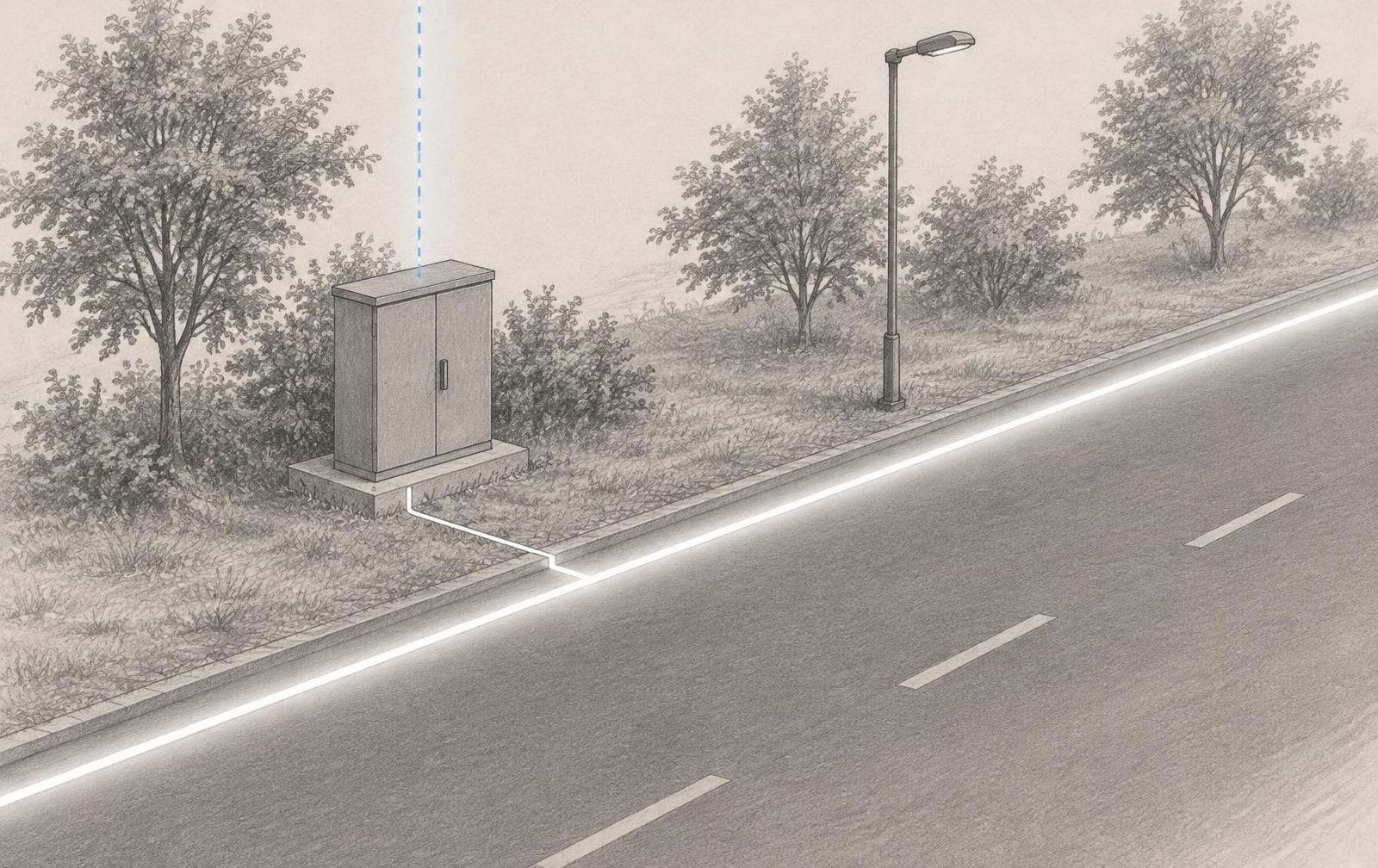
Digital control connection: Luxene Controller ↔ Luxene Nexus

GuideClear · GuideCarrier · GuideLine — Conceptual — not to scale
04
From road marking to operational lighting
Designed for integration into road infrastructure
Luxene combines conventional road infrastructure activities with specialized optical technology. The installation process separates civil works, optical integration and electronic commissioning. This approach allows the road-integrated components to remain passive while active light generation and control are located in accessible roadside equipment.
Step 1 | Road preparation
The road marking and surface are prepared for the integration of the optical lighting element. Depending on the application, this can involve preparation of an existing road marking or integration into newly applied marking infrastructure. The road surface and installation conditions determine the appropriate preparation method.
Step 2 | Optical integration
The Luxene GuideLine is integrated into the road marking using the protective GuideCarrier and GuideClear system. The optical assembly is positioned and protected to create a continuous illuminated guidance line. The exact integration methods, dimensions and material formulations are proprietary.
Step 3 | Roadside equipment and optical connection
The roadside equipment is installed or integrated with suitable existing infrastructure. The Luxene Laser Module and Controller provide the light generation and electronic control functions. The optical lighting infrastructure is connected to the roadside system, keeping active electrical components outside the road surface.
Step 4 | Commissioning and digital control
The completed installation is tested and commissioned. The Luxene Controller connects the installation to Luxene Nexus, where supported monitoring and control functionality can be configured. The available functions depend on the installed hardware, software version and project configuration.
Designed for long-term infrastructure use
The separation between passive road integration and accessible roadside equipment is a central element of the Luxene architecture. It provides the basis for modular deployment, centralized system management and future technology development. This is a design principle, not a claim of a guaranteed service life or a prescribed maintenance interval.
01
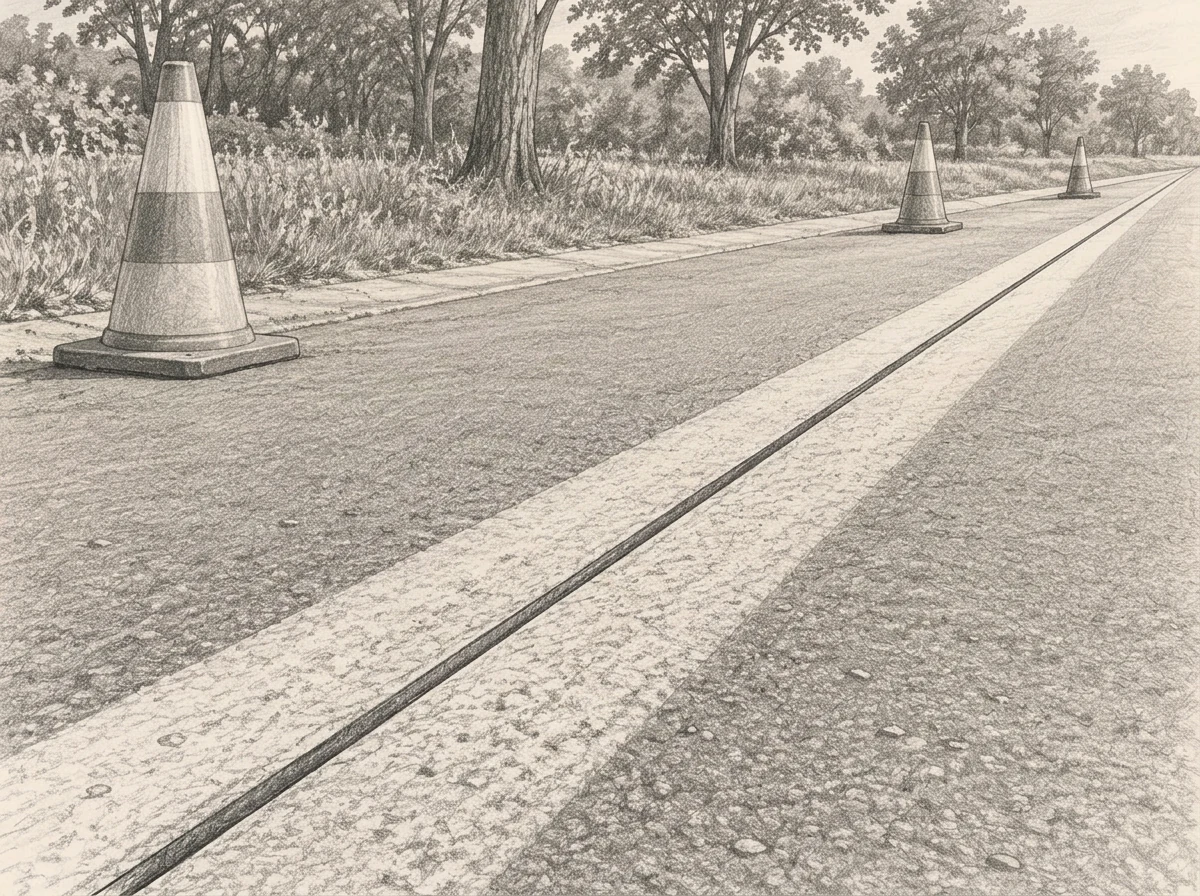
Prepare the marking
02
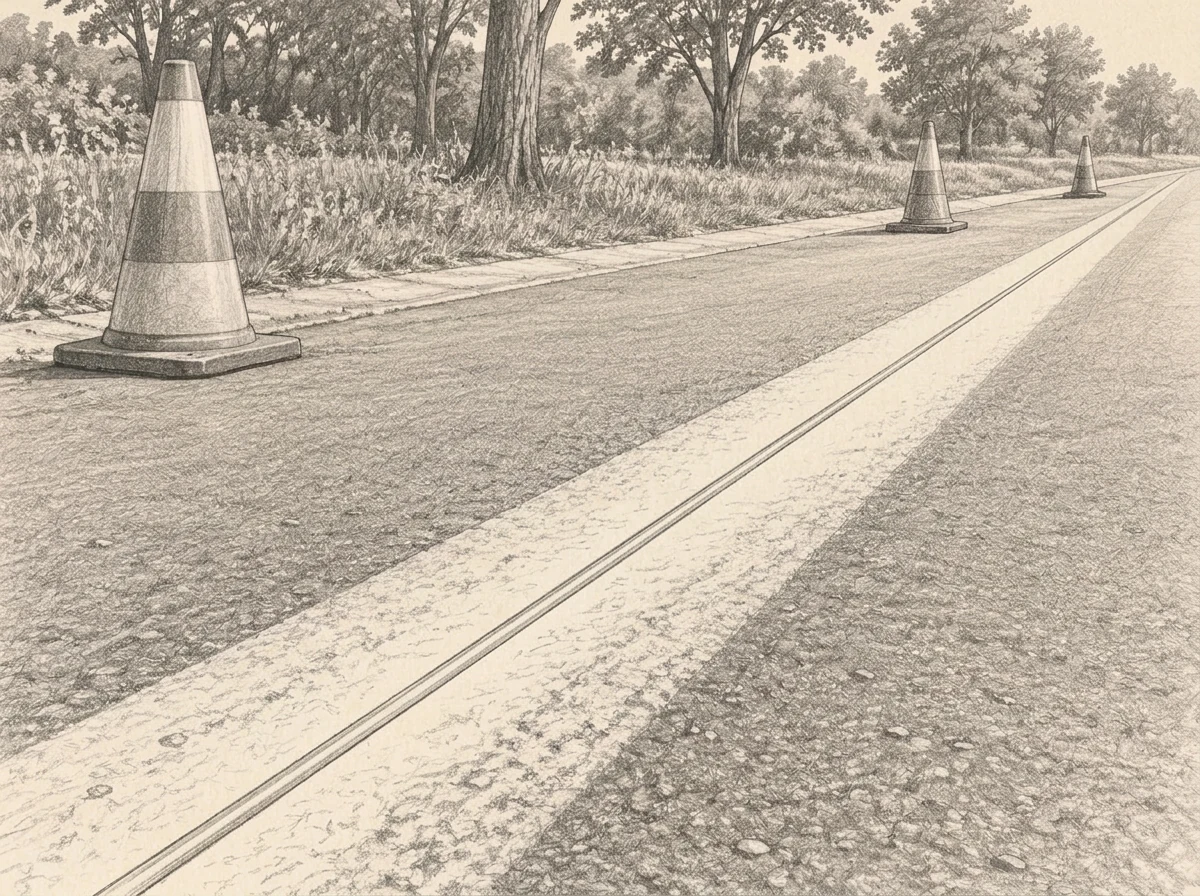
Integrate GuideLine
03
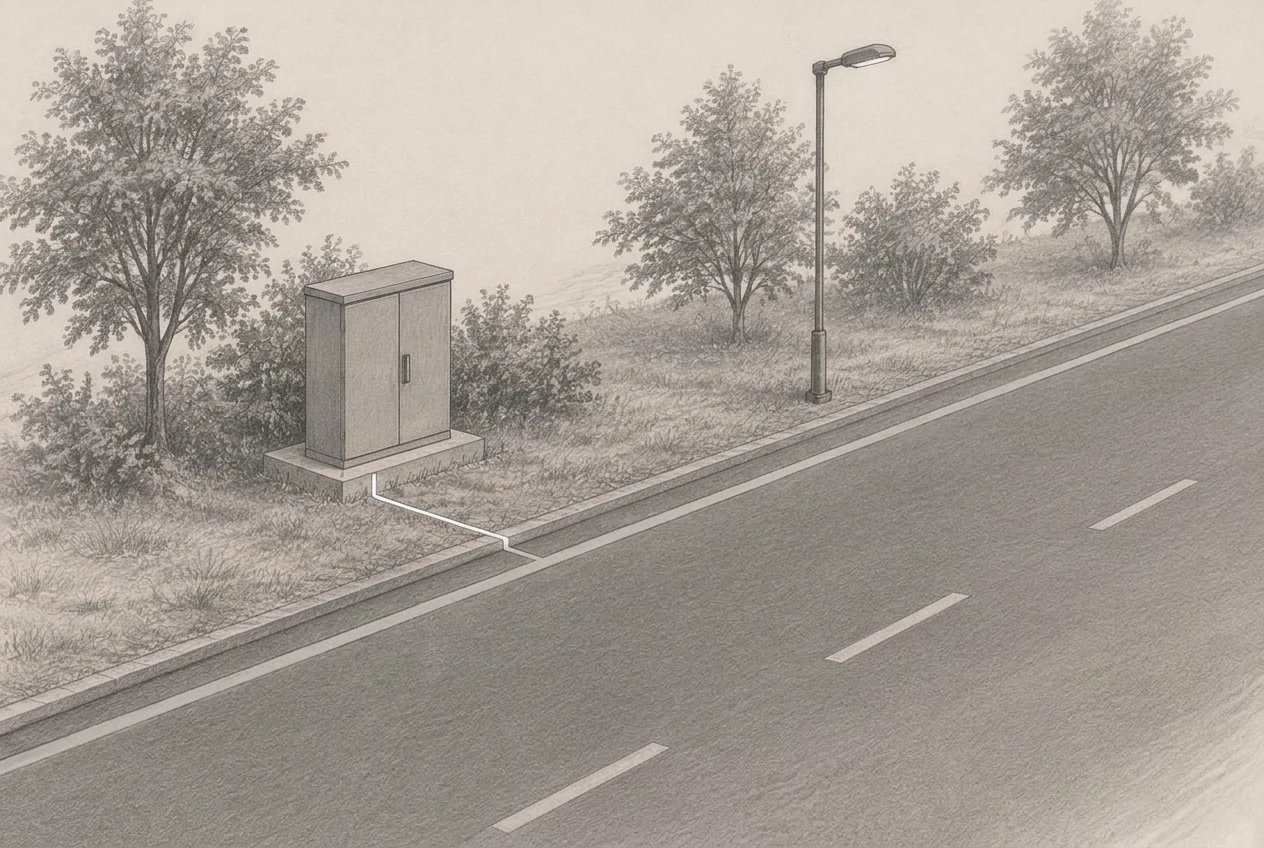
Connect roadside equipment
04
Commission + connect to Nexus


05
Luxene Nexus: intelligent control
Manage the installed lighting
Luxene Nexus is the online management and intelligence platform. Working with the Luxene Controller, it provides the digital layer for the installation's supported control functions. Current digital control includes switching, brightness adjustment and independently controllable sections where the required configuration is implemented. The number and length of controllable sections belong to the selected project configuration, not to a universal layout.
The platform presentation distinguishes the illustrative map from planned interface screens. An illustrative control view explains a capability; it is not live operational data or proof of an installed user interface. Monitoring and control must be assessed against the actual installation, its software and the functions made available to its operator.
Installation-dependent response
Where the required data connection, configuration and control functionality are available, Luxene can adjust the brightness of its orientation lighting in response to changing conditions, such as rain. Specific automated responses depend on the functionality implemented and validated for each installation.
This does not imply rain sensors embedded in the road or automatic operation without an appropriate data source. Snow response remains illustrative. Incident intelligence and additional traffic or sensing integrations remain in development. Red incident guidance requires implementation and suitable red lasers, which are not always available.
The architecture diagram separates configured rain data from future external inputs. It does not prescribe a data supplier, a communications protocol or an internal control procedure. A project must establish which input is available and which response is supported before describing that response as operational.

Luxene functions today: switch light line on/off · automatic rain mode
Rain data — where configured
→ Luxene Nexus
Traffic / incident / sensing — future
⇢ Luxene Nexus
06
Applications, demonstration and validation
Assess the application, not just the image
An application discussion starts with the orientation problem: who uses the route, what must remain visible, where conventional lighting is limited and which conditions affect guidance. Severe weather can create limited or absent orientation, but an illustrative weather scene is not proof of performance under every weather condition.
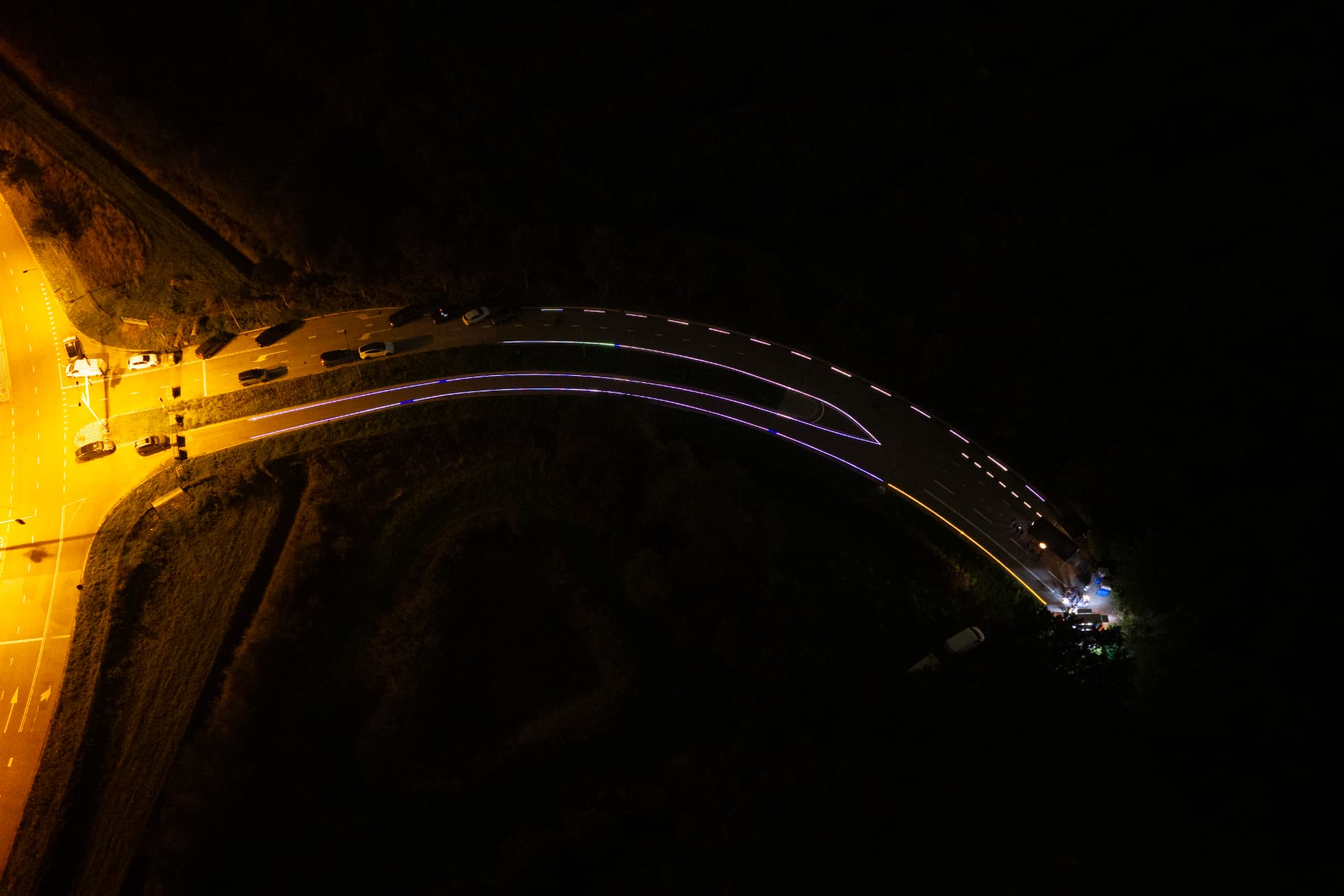
The road authority and installation partners need to consider the surface, marking environment, operating requirements and applicable standards. Suitability is project-specific. A compelling demonstration photograph cannot replace an assessment of the proposed road environment or the evidence required for that use.
Application environments
Luxene's suitability for each application depends on technical requirements, road conditions, applicable standards and project-specific validation.
- Rural and regional roads — additional visual guidance where conventional lighting is limited or absent.
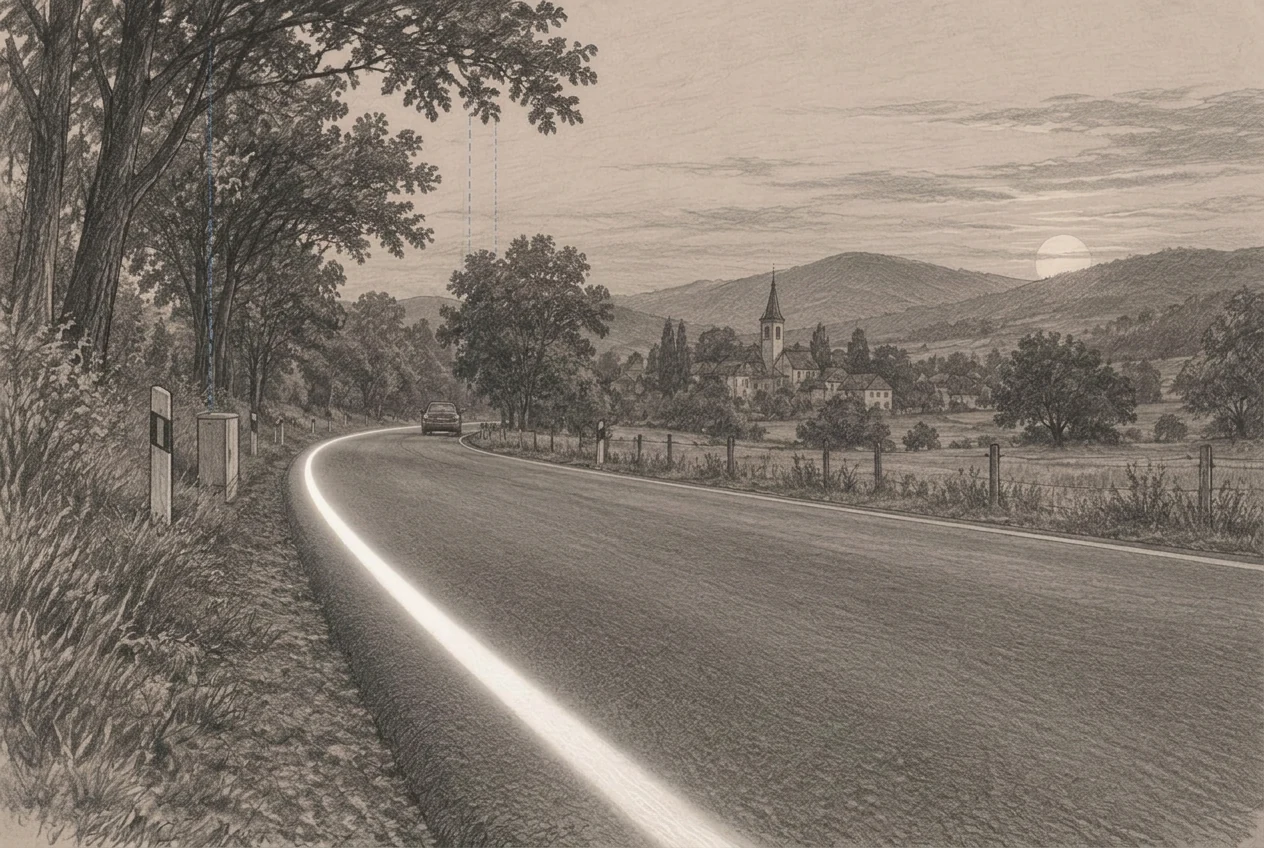
- Curves, junctions and complex road geometry — highlighting the direction and boundaries of roads where orientation is particularly important.
- Bridges and constrained infrastructure — targeted orientation lighting in locations with specific spatial or infrastructure requirements.
- Bicycle paths and mobility corridors — a continuous visual reference for cyclists and other road users.
Moving from technology development to infrastructure deployment
Luxene has progressed from optical research and engineering development to physical demonstration installations and pilot activities.
In October 2026, Luxene unveiled its permanent demonstration location at Vaarlesedreef in Helmond, the Netherlands. The installation provides an opportunity for road authorities, infrastructure partners and other stakeholders to experience the road-integrated orientation lighting concept in a real-world environment.
Validation priorities
As Luxene progresses towards broader commercialization, relevant areas of technical evaluation include:
The results of these evaluations will contribute to future product development and application-specific qualification. This whitepaper does not claim formal certification or quantified safety improvements without supporting validation.
- Visibility and optical consistency.
- Performance under varying environmental conditions.
- Road integration and material durability.
- Controllability and operational reliability.
- Installation and maintenance requirements.
- Energy consumption and lifecycle considerations.
- Compatibility with applicable road infrastructure standards.
Intellectual property
Luxene has 4 pending patent applications; none has been granted. This publication does not disclose application numbers, jurisdictions, unpublished subject matter or confidential future programmes. Proprietary know-how remains protected; a public functional overview is not a licence or a recipe for replication.
Rural roads

Curves
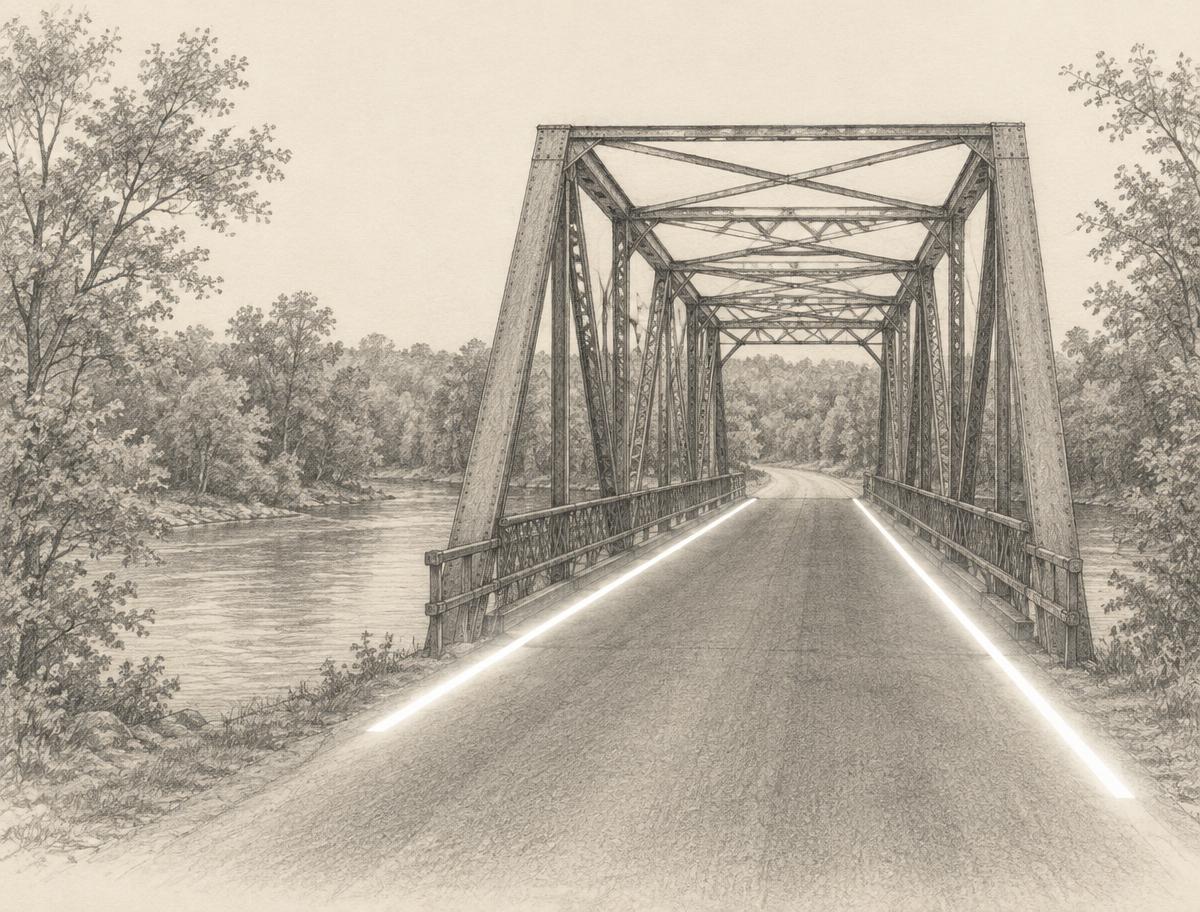
Bridges
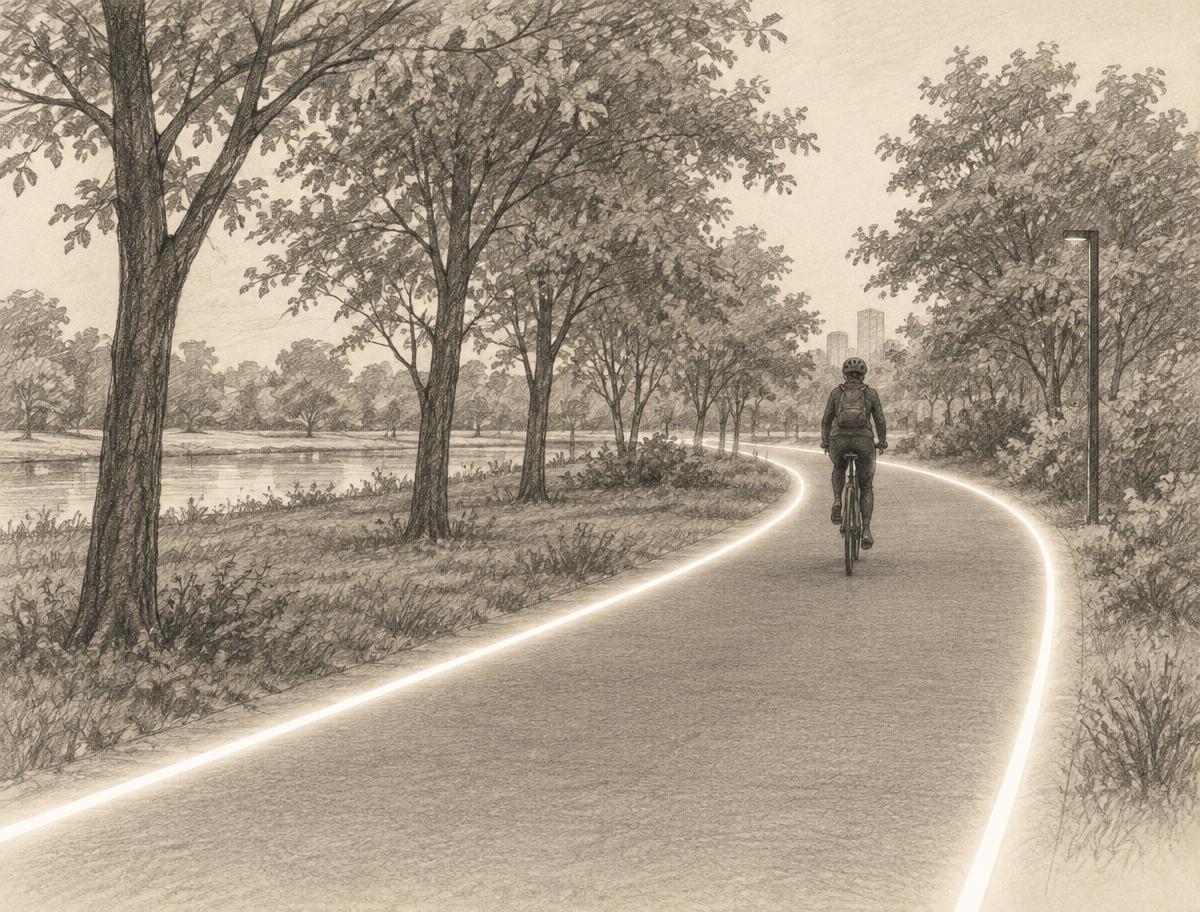
Cycle paths
07
The evolution of Luxene
From illuminated road markings to intelligent infrastructure
Luxene is developing its technology as a scalable platform combining road-integrated orientation lighting with digital intelligence. The initial focus is on establishing reliable, controllable optical lighting infrastructure.
By connecting physical road markings with digital control, Luxene aims to contribute to a new generation of adaptive road infrastructure. In parallel, Luxene continues to explore opportunities to improve deployment flexibility, infrastructure efficiency and the broader capabilities of its optical technology platform.
These developments represent strategic technology directions rather than committed product release dates.

Conclusion: light where it matters
Luxene exists to make road orientation clearer where conventional lighting is limited. The distinction is a targeted illuminated marking, integrated into infrastructure and supported by controllable operation. Suitability, supported functions and performance must still be established for the individual project.
Passive → Active → Intelligent summarizes the journey: established markings, today's controllable orientation lighting and a broader ambition for responsive infrastructure. A demonstration shows the concept; evaluation establishes its application. Further intelligence remains a development direction rather than a blanket promise of current capability.
Luxene
Orientation lighting for safer roads.
Publication note
This document provides a high-level overview of Luxene technology and its development direction. Illustrations are conceptual unless otherwise stated.
Product capabilities, installation requirements and performance depend on the applicable configuration and project conditions. Future capabilities are subject to development and validation.