How it works
Light, built into
the road.
Luxene brings active orientation lighting into the road marking while keeping the light source and electronics outside the road surface. With Nexus, this architecture delivers controllable guidance today and provides a foundation for increasingly intelligent road-marking applications.
Select an element in the illustration to look closer.
Explore the system
See how it works
in a real application.
Light is generated centrally in a small roadside cabinet and transported optically to create a continuous orientation line in the road. Click a physical element or the online platform to explore.
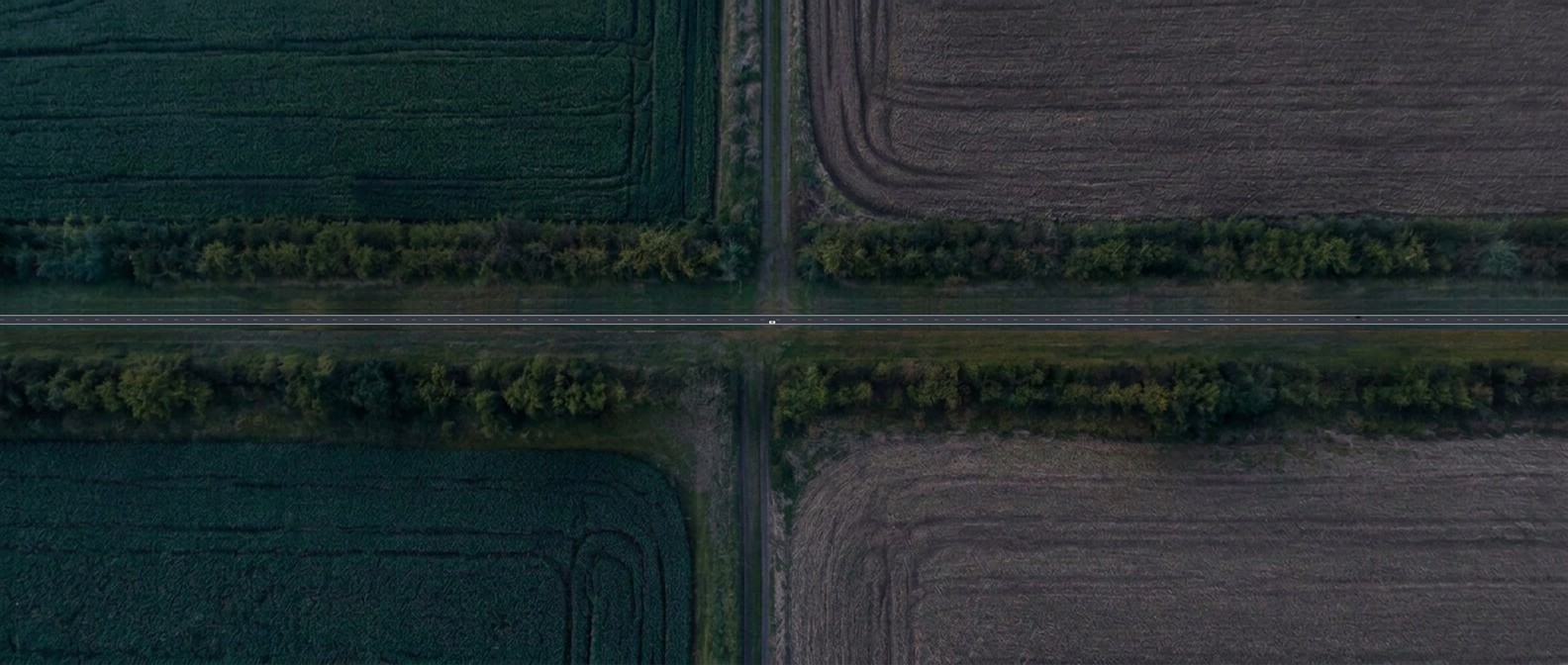
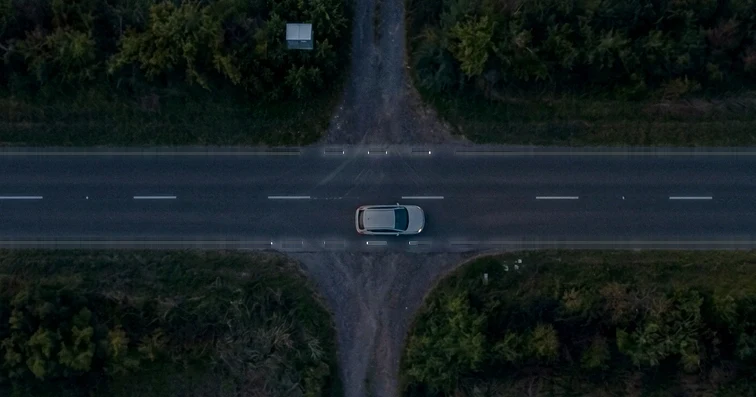
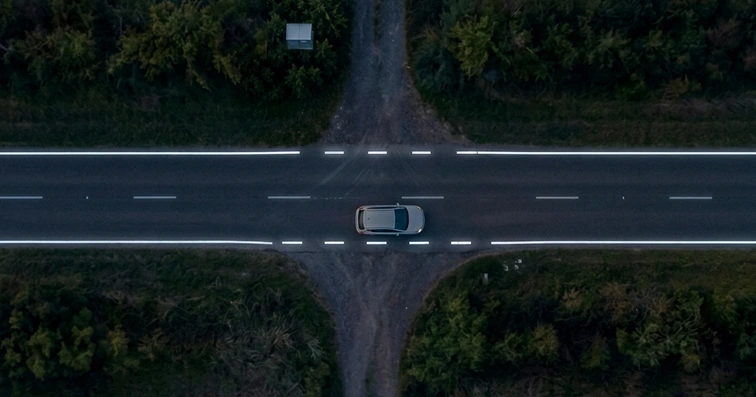
Illustrative detail · ≈ 50 m

Explore further
Explore Road Integration
See how Luxene is integrated into the road, connected and commissioned.
Explore integration →Discover Luxene Nexus
Explore how Luxene installations can be monitored, controlled and intelligently managed.
Explore Nexus →Luxene Core · Luxene Nexus
The physical system.
The intelligence behind it.
Luxene Core combines optical light generation, fibre-optic distribution and road-integrated orientation lighting into one physical system. Luxene Nexus adds online monitoring, dynamic control and intelligent automation, enabling the system to respond to changing conditions and evolve over time.
Road Integration
Three phases from road surface to online system.
01
Civil Works
The Luxene light line is integrated directly into the road surface using familiar road construction and road-marking techniques.
02
Electrical & Optical Installation
Light generation and control equipment are installed outside the road, while the optical GuideLine is installed through the integrated GuideCarrier.
03
Digital Commissioning
Once the physical installation is complete, the system is connected to Luxene Nexus through a simple digital commissioning process.
System principles
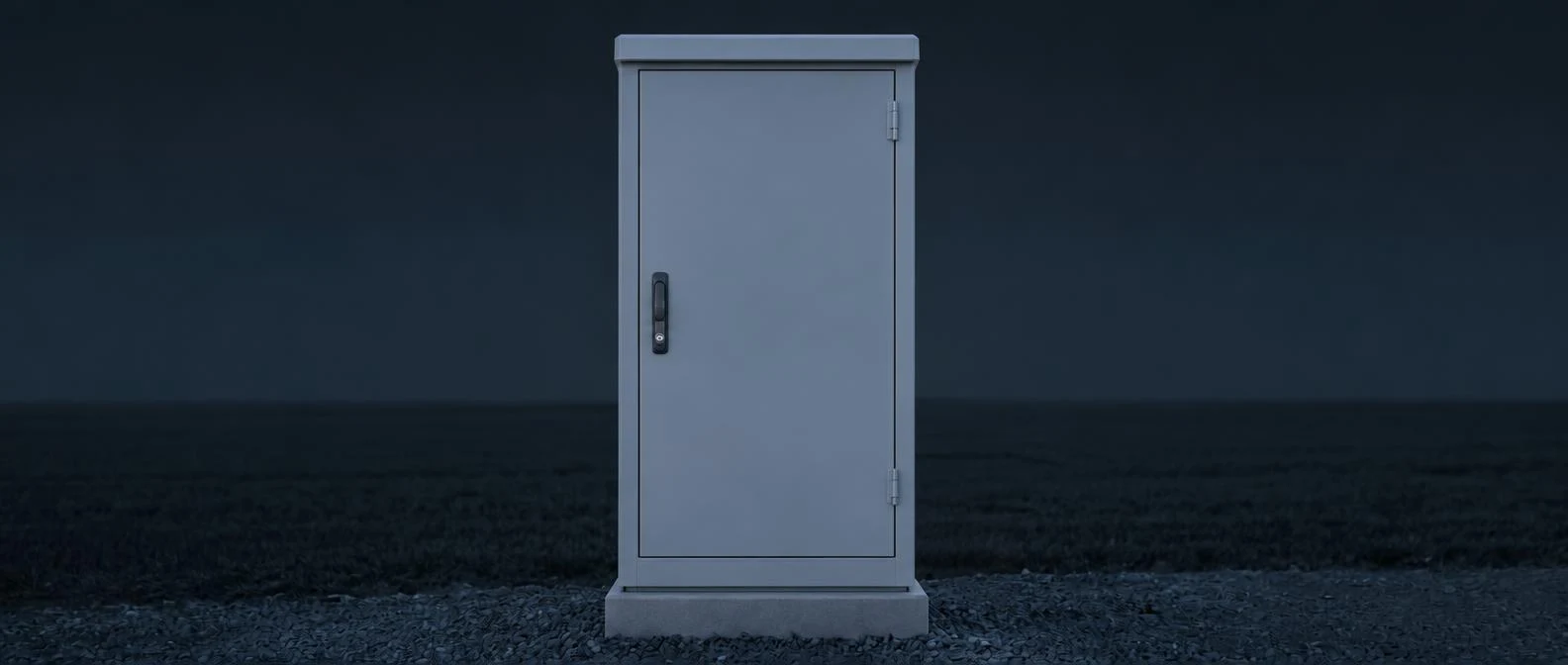
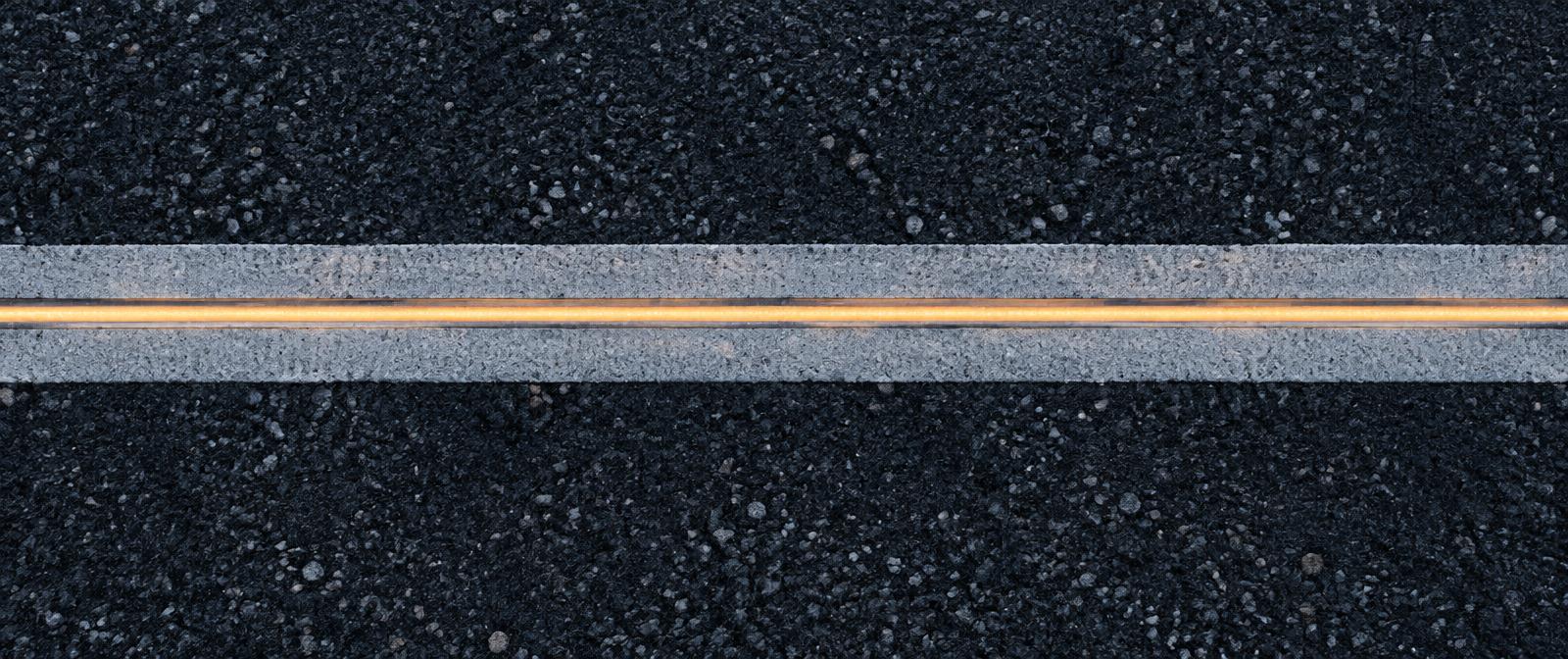
The Luxene Controller and Laser Module sit together in one E-Cabinet along the road. The road itself holds no active component: only a translucent ≈10 mm HDPE tube and a transparent strip in the marking.
Technical basis
Light is generated at one roadside point and carried to the road optically. Control and maintenance are concentrated at the cabinet.
This describes the system architecture. The location and access of the cabinet are determined per installation.
Explore the E-Cabinet →Light is generated centrally and transported through optical fibre to the road, where it appears through GuideClear — a transparent strip 15 mm wide, set within the standard white road marking.
Technical basis
A Laser Module supplies one end of a 400 m section through 16 dedicated fibres. The neighbouring cabinet supplies the opposite end. With two modules, a cabinet also feeds the next line along, in the opposite longitudinal direction. No electrical power is distributed along the light line.
This describes the optical architecture. How the light reads on a specific road depends on the road's cross-section and surface.
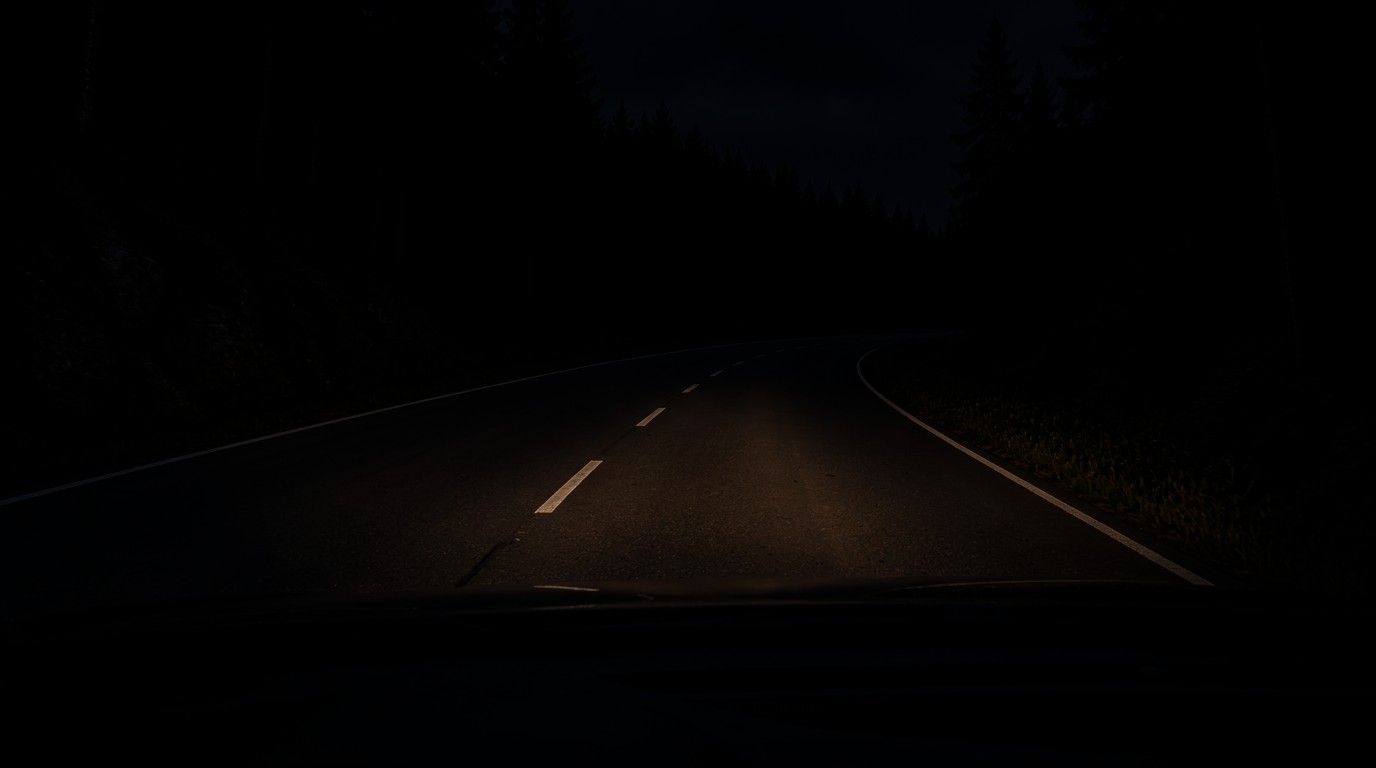
Road users see one unbroken guidance line rather than isolated points of light, so the course of the road reads as a single line in darkness, rain, snow or reduced visibility.
Technical basis
Each Luxene Laser Module contains 16 lasers, each connected to a dedicated optical fibre serving a 25 m illuminated segment. One module feeds one end of 16 consecutive segments over a 400 m section. A Laser Module in the neighbouring E-Cabinet feeds those same segments from the opposite end.
400 m per section is the maximum; lines of 100 or 200 m per section are equally possible. The layout of a specific road determines how many sections and cabinets it needs.
See how the line is built →The line is built from 25 m sections. The GuideCarrier is supplied on a roll and integrated in the asphalt, and every section is individually addressable and controllable.
Technical basis
Nexus gives an online view of connected installations and controls individually addressable light-line sections.
Section length and cabinet count depend on the layout of the specific road.
Explore Nexus →Real example · Vaarlesedreef, Helmond
Two ways to
light a road.
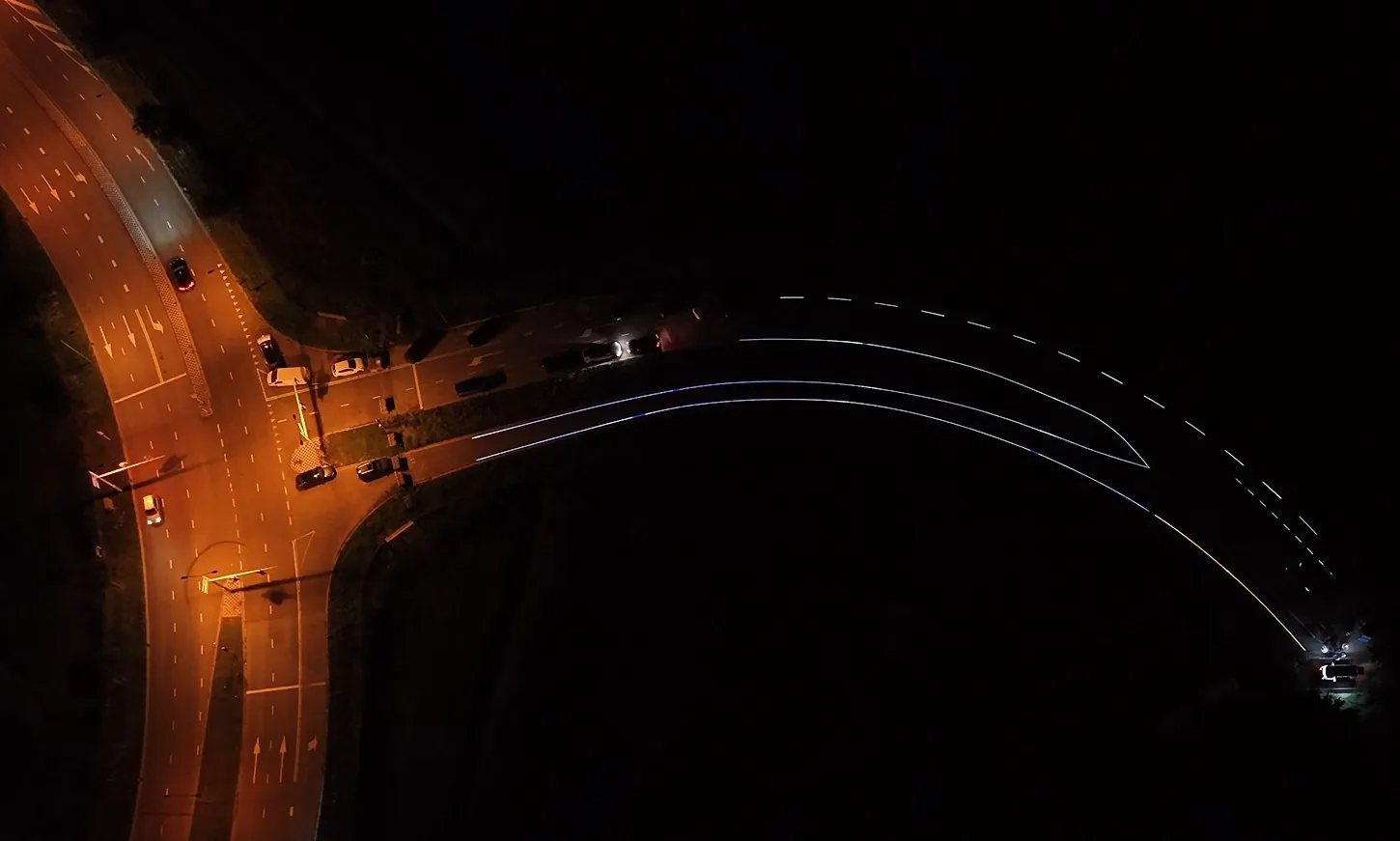
At Luxene’s permanent demonstration location on the Vaarlesedreef in Helmond, one aerial view shows both: conventional street lighting spreads light over the junction, while along the curve the road edge is marked by a continuous Luxene light line.
View the project →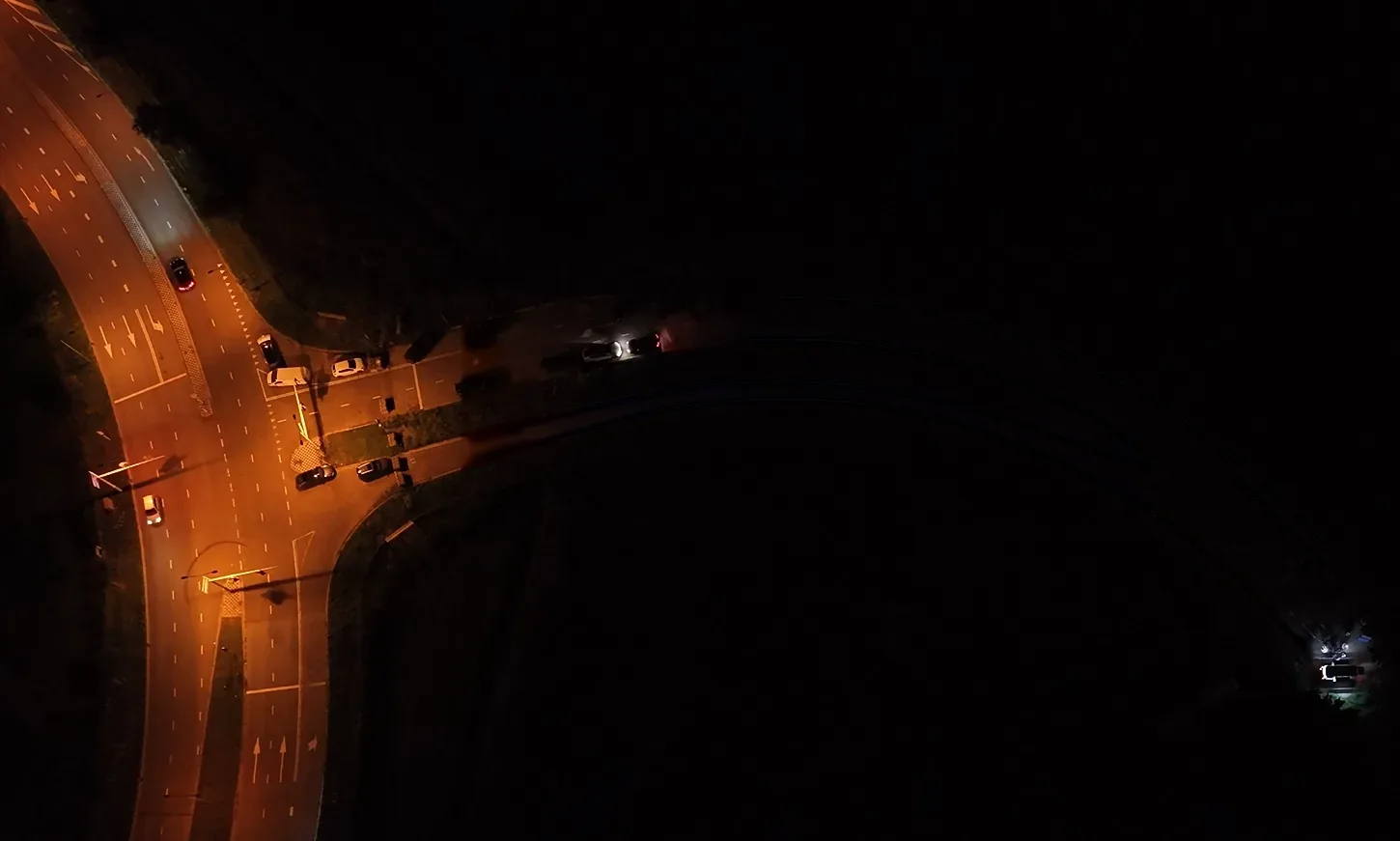
From technology to application
See where Luxene
can make a difference.
From roads and bicycle paths to bridges and complex infrastructure, explore where continuous orientation lighting can be applied.
Explore applications →